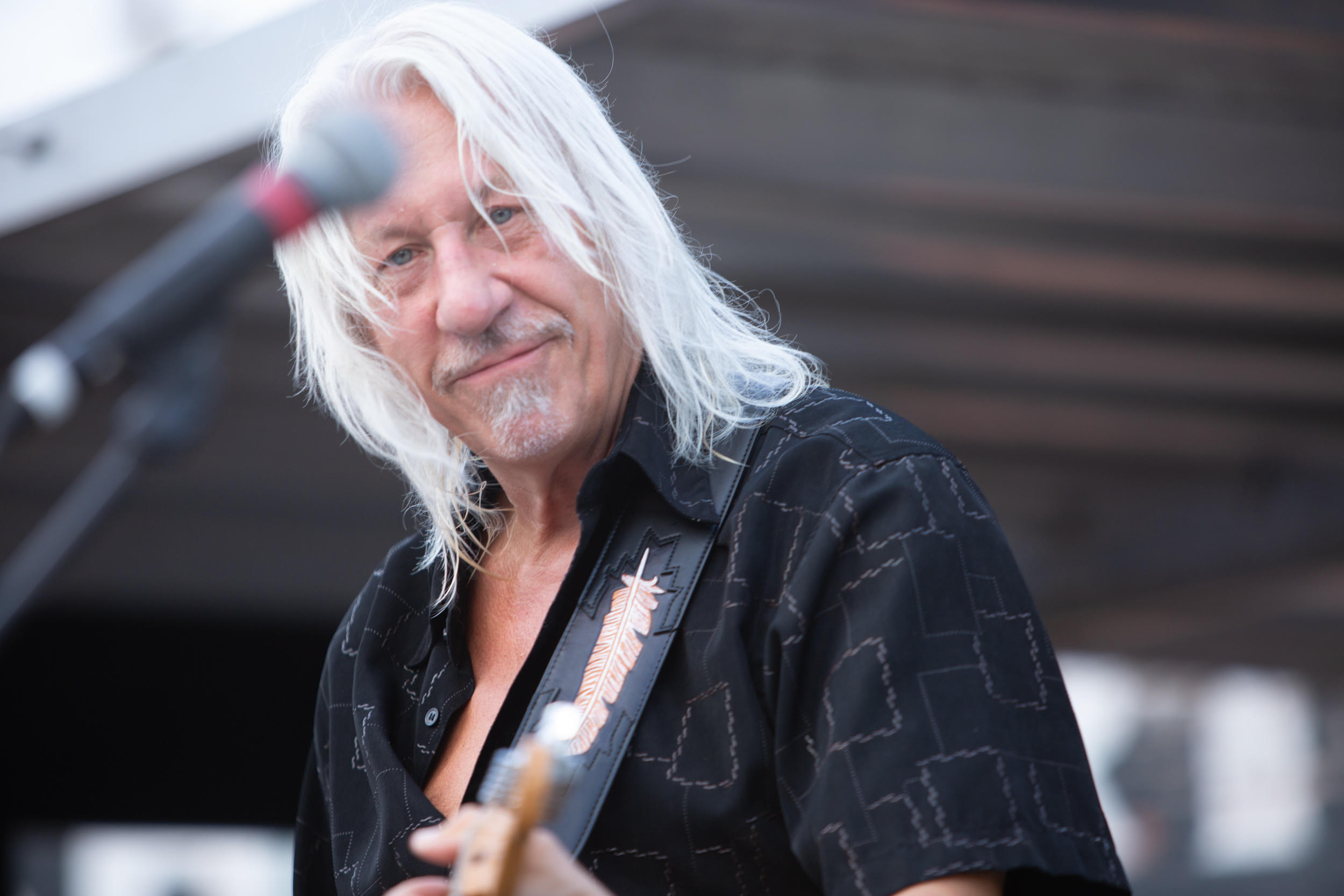
Wayne Severson
Songwriter • Guitarist
Songwriter • Guitarist
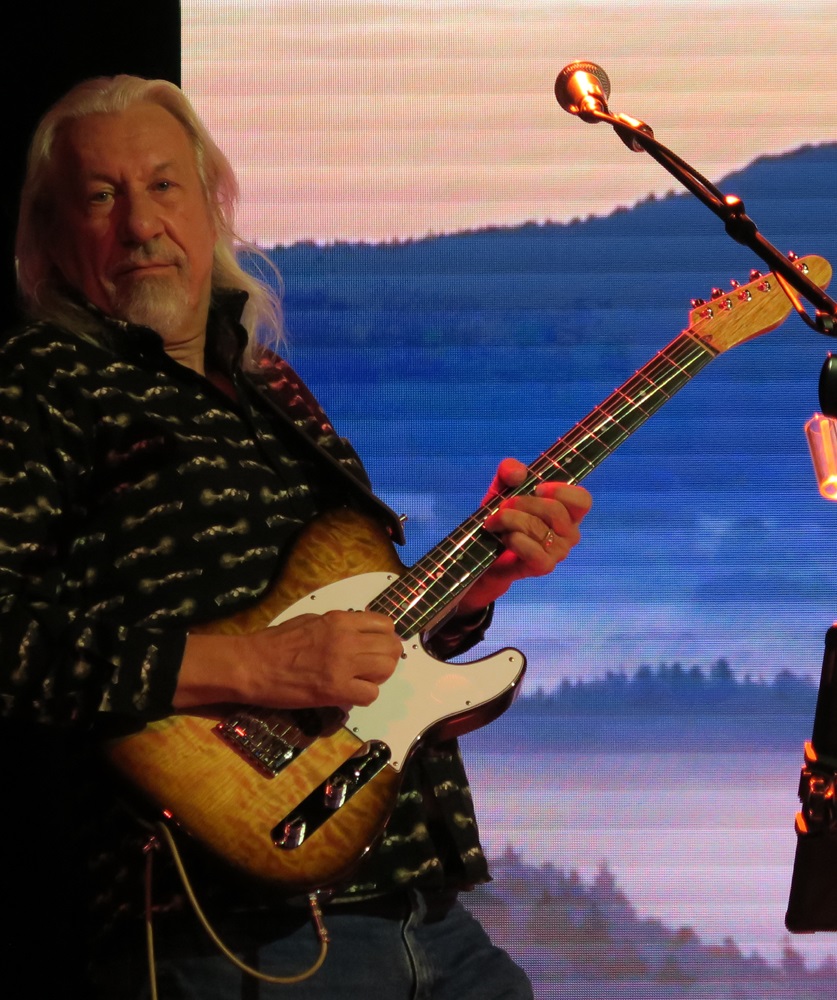
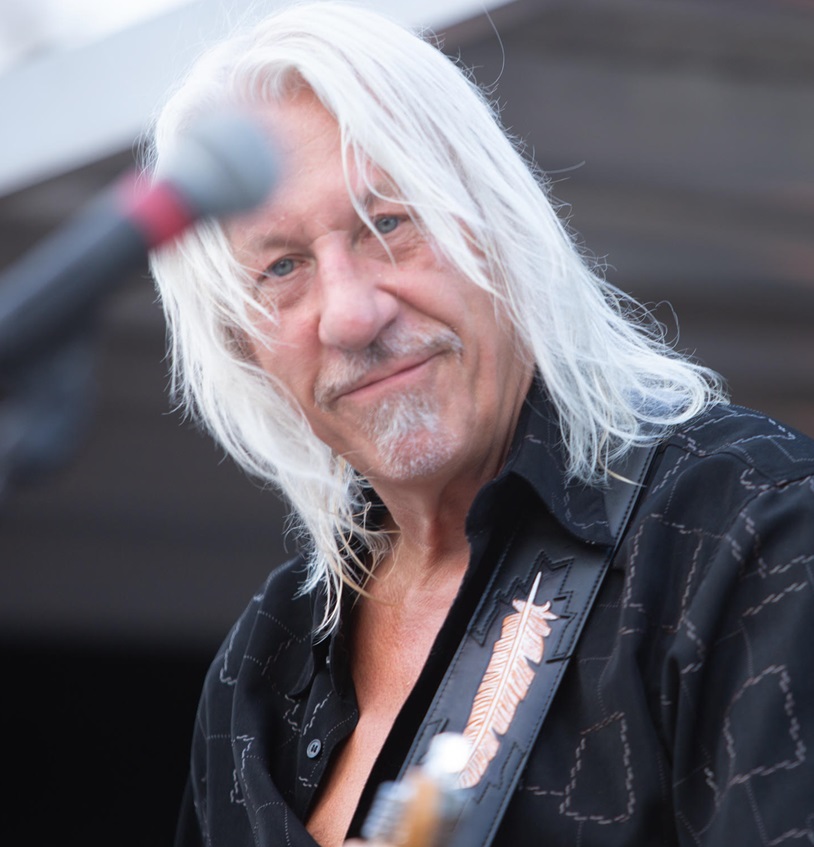
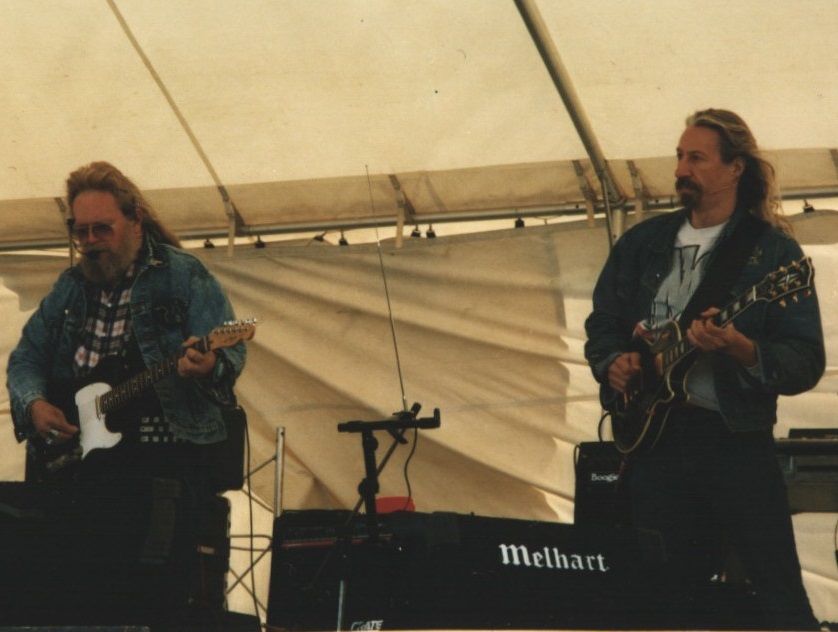
Wayne Severson is a songwriter and guitarist whose work grows out of observation. Rather than chasing trends or fitting neatly into a single genre, he watches the small moments, contradictions, and quiet absurdities of everyday life. The result is a body of songs shaped by humor, reflection, storytelling, and blues-soaked emotion.
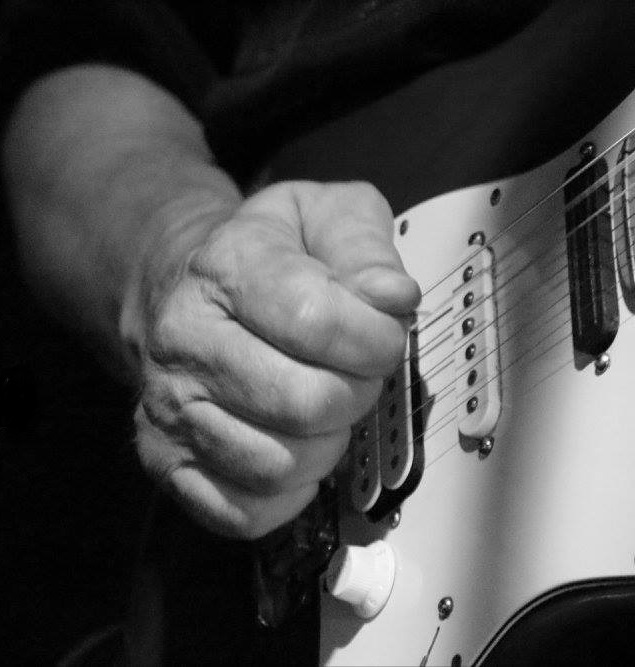
Blues sits at the heart of his musical identity, but Severson’s catalog moves easily through Americana, rock, ballads, humor, and character-driven storytelling. His guitar playing reflects that same flexibility: expressive and groove-driven, rooted in feel, moving between flat and hybrid picking, slide guitar, layered harmonies, melodic fills, and carefully placed solos that always serve the song first.
As Severson puts it simply:
The blues is a shared experience. When someone sings about their struggles, listeners recognize their own reflections inside the story. In that moment people realize they’re not alone, and that realization can be liberating. Sometimes the blues mourns life, sometimes it celebrates it, but either way it reminds us that feeling deeply is part of living.
That emotional honesty shapes Severson’s songwriting philosophy. His songs rarely begin with a rigid plan. More often they start with a single line, a riff, or an observation — something that catches his attention and refuses to leave.
He gathers the pieces first.
A phrase.
A groove.
A character.
A situation.
Then the puzzle begins to take shape.
As he describes it:
That perspective explains the range found in his catalog. Some songs lean into playful social commentary, turning everyday absurdities slightly sideways so listeners can see them from a different angle. Songs like “Everything Is Sacred” or “Ridin’ That Bull” explore how people defend beliefs, exaggerate truths, or create conflict simply by occupying the same space.
Other songs focus on character and story — small human moments that reveal something deeper beneath the surface. A man discovering age has quietly crept up on him in “Maybe I Should Look in the Mirror.” A wandering outsider searching for belonging in “I Like Cows.”
Still others come from a more intimate place. Romantic songs such as “Love Lives in the Eyes” or “Time It Seemed to Stop That Day” show a softer side, where reflection replaces satire and sincerity slips quietly into the music.
What connects them is perspective.
Severson doesn’t write about events as much as he writes about human behavior inside events. The tension between belief and reality. The humor in contradiction. The strange ways people misunderstand each other while trying to make sense of life.
It’s an approach he once described this way:
That idea — looking just slightly “around the corner” at things — has remained consistent throughout decades of writing.
While many artists define themselves through a single style, Severson’s catalog moves between several lanes: observational songs, character stories, romantic reflections, and groove-driven guitar pieces built around riffs and feel. The variety reflects not a change in direction, but a broader view of the same human landscape.
Earlier in his career, Severson immersed himself deeply in the craft of guitar and performance. After studying at the Guitar Institute of Technology in Hollywood, he spent several years working the road before eventually joining outlaw country artist David Allan Coe’s band.
The opportunity came in the most musician-like way possible — through a recommendation from a fellow player and a last-minute call to join the band. Within days he was headed east to begin three years of touring, along with studio sessions and increasing responsibilities behind the scenes, including road management. Life on the road — long miles, late nights, and the constant rhythm of stages and audiences — provided its own kind of education, deepening his understanding of songs, crowds, and the unpredictability of life on tour.
After more than four decades of playing, Severson still describes slipping into "the zone" — as a place where the music takes over and the outside world fades away.
Solos, for him, are not decorations, and they're not races to be won. They are, however, rides.
Like skiing down a hill that might be a little too steep, or gambling with more than you can afford to lose. You commit to it and see where it takes you.
The goal isn’t flash, unless the song calls for a bit of burning fury. It’s creating motion, tension, and release — something the listener can feel.
Despite the craft involved, Severson’s attitude toward music remains grounded and unpretentious. Humor appears often in his writing and in conversation. A phrase might spark an idea for a lyric or a new direction for a song.
Sometimes it’s as simple as a passing thought:
An ordinary object suddenly becomes a metaphor. Some things appear insignificant at first glance but reveal hidden value over time.
That philosophy mirrors Severson’s own catalog. Over the years he has written dozens of songs — some polished, others preserved as working demos, each capturing a moment of inspiration. Many of them continue to evolve as he revisits older recordings with new tools, new ears, and the perspective that only time provides.
Occasionally a forgotten song or a piece recorded years ago might suddenly reveal more depth than he remembered — proof that ideas, like pennies, sometimes gain value simply by surviving long enough to be rediscovered.
Severson’s motivation has never been fame or industry recognition. For him the purpose of music is connection.
If a song lifts someone’s mood for a few minutes, sparks a laugh, or makes a listener feel understood, then it has already succeeded.
As he puts it:
“In a perfect world, people would feel like they found the answers to all their questions. But if they feel anything at all, the song has done its job.”
After decades of writing, performing, and exploring ideas through guitar and lyrics, Severson still approaches music with the curiosity of someone who knows there are always more corners to look around.
And as long as there are new corners to look around, the songs will keep coming.